Wineries
HEADLINE
subhead
In 1970, David Lett planted his first vineyard in the hills of Dundee and the wine world thought he’d lost his mind. Cold gray skies. Oregon rain. Not exactly Burgundy. But “Papa Pinot” saw something others couldn’t — and forty years later, the Willamette Valley stands among the great wine regions of the world.
The valley is now home to hundreds of vineyards and a remarkable community of small-lot winemakers who take their craft seriously. This is not a region built on volume. It’s built on obsession — with soil, with site, with the particular magic that happens when cool-climate pinot noir meets volcanic earth.
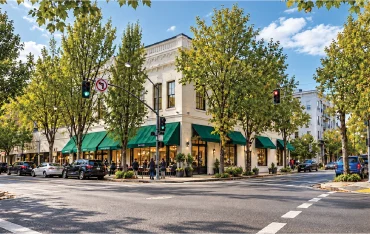
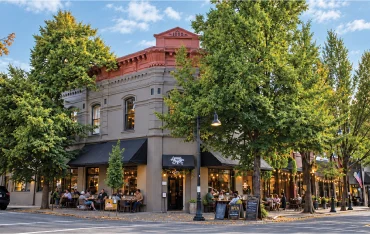
Historic Downtown McMinnville alone is home to eighteen wineries, tasting rooms, and wine shops — more than enough to fill a weekend without ever getting in the car. But when you’re ready to get out into the vines, the valley opens up beautifully.
Eleven American Viticultural Areas now define the Willamette Valley, each with its own soils, elevations, and personality. It would take months to visit them all properly — which sounds like a fine reason to come back.
McMinnville AVA — Our backyard. Ancient sea-floor soils and a strong coastal influence produce wines of distinctive depth and cool-climate character.
Yamhill-Carlton AVA — A warm, protected basin of ancient marine sedimentary soils that yields some of the valley’s most approachable and generous pinots.
Dundee Hills AVA — Where it all began. The iconic red Jory clay hillsides that first put Oregon on the wine map, and still among the most sought-after addresses in the valley.
Chehalem Mountains AVA — A dramatic ridgeline with three distinct soil types — volcanic, marine sedimentary, and loess — producing wines of striking complexity.
Ribbon Ridge AVA — Nested within the Chehalem Mountains, this small fog-sheltered bowl is known for producing some of the valley’s most elegant and age-worthy pinots.
Eola-Amity Hills AVA — Shaped by the Van Duzer winds that funnel cool Pacific air across the hills, producing wines with remarkable tension, freshness, and longevity.
Van Duzer Corridor AVA — The gap in the Coast Range itself, where those same Pacific winds define the growing season and give the wines a cool, bracing energy all their own.
Tualatin Hills AVA — The northernmost AVA in the valley, where volcanic and sedimentary soils share the stage and the wines reflect a distinct northern character.
Laurelwood District AVA — Loess-capped hills in the northern valley with a terroir unlike anywhere else in the Willamette, producing wines of real individuality.
Mount Pisgah, Polk County AVA — Diverse soils and elevations in the valley’s southern reaches, with a growing community of producers doing quietly serious work.
Lower Long Tom AVA — The newest addition to the valley’s roster, with ancient alluvial soils in the southern Willamette that are still revealing what they’re capable of.
Guests in our full-service flats at the Odd Fellows Lodge have access to itinerary planning through our 24-hour concierge team at the Atticus Hotel — they know these roads, these producers, and these wines well, and love to share what they know.
Take a day. Take a week. Go explore. We’ve got our favorites — you go find yours.